The beginning of cult use
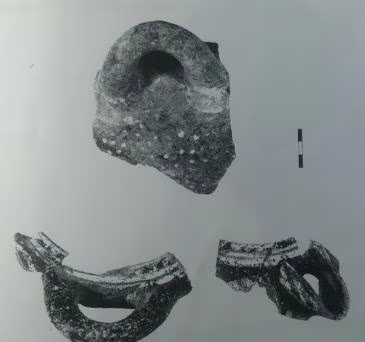
Middle Minoan II pottery provides the earliest clear evidence of organised cult activity in Gerontospilios.
GEOLOGY • NATURE • HUMAN MEMORY
An underground world of platy limestone, imposing chambers and formations slowly shaped by nature through time.
EXPLORE THE CAVEA NATURAL MONUMENT OF CRETE
Melidoni Cave, also known as Gerontospilios, lies approximately two kilometres from the village of Melidoni. It develops across different levels and directions, forming more than six named halls and chambers.
The visitor route focuses on the impressive Hall of the Heroes. Beyond it, the cave continues through deeper chambers, passages and sinkholes that reveal the true scale of the underground system.
PSILORITIS UNESCO GLOBAL GEOPARK
Melidoni Cave lies within the Psiloritis UNESCO Global Geopark. Formed in the region’s platy limestones, it is one of the Speleopark’s most important geosites, connecting the geological evolution of Psiloritis with the archaeology, mythology and historical memory of Crete.
LEARN MORE FROM UNESCOPLAN OF THE UNDERGROUND SYSTEM
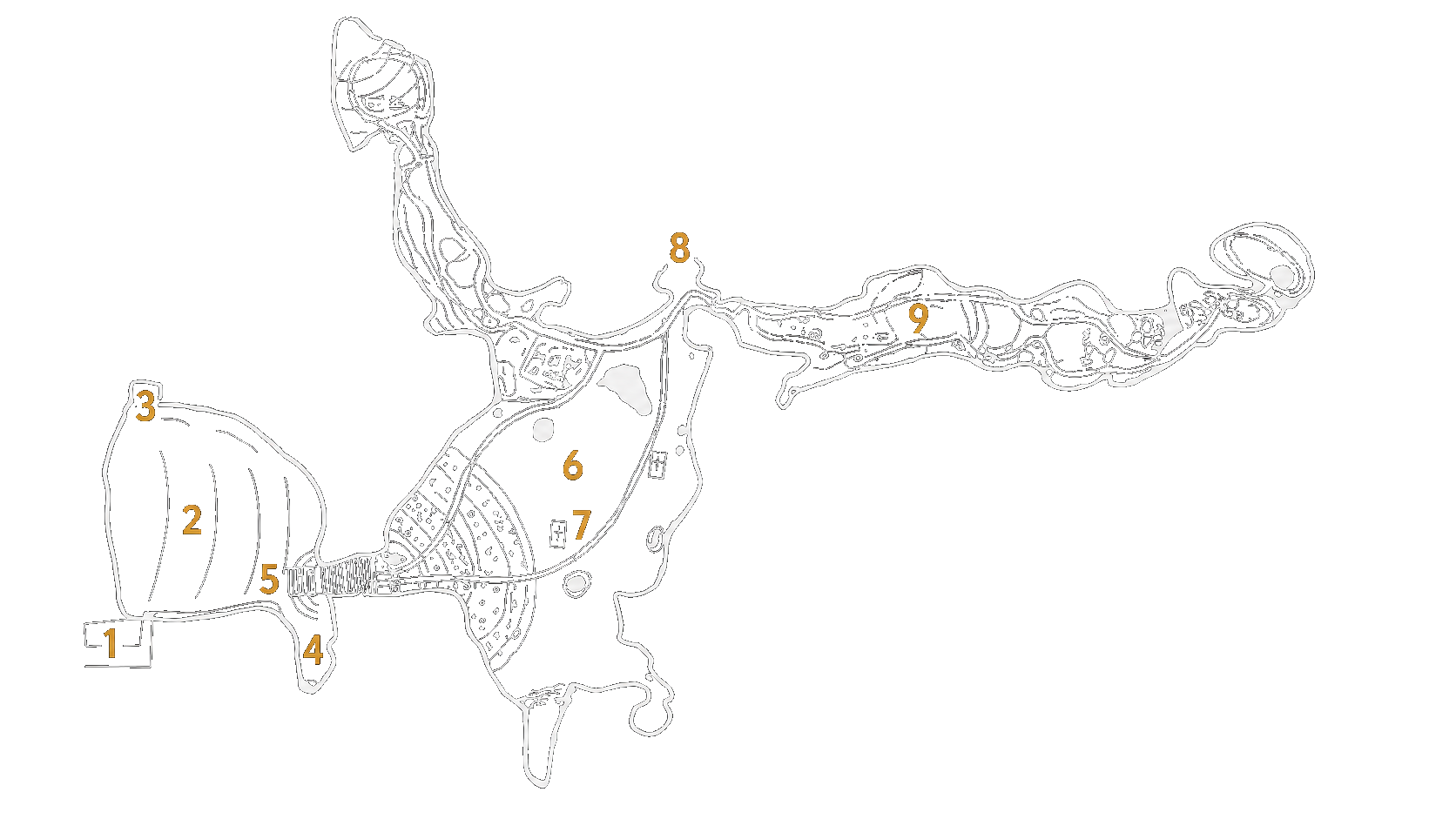
The numbers on the plan identify the cave’s principal locations, chambers and monuments.
The visitor service point before entering the cave.
The natural surface depression in front of the entrance.
A distinctive formation identified on the plan by its local name.
The location of the historic inscription near the entrance.
The main entrance leading into the cave.
The large central hall and the principal visitor-accessible section.
The memorial containing the remains of the victims of 1824.
An inner chamber beyond the principal visitor route.
A deeper elongated chamber with rich mineral formations.
FROM THE SECOND MILLENNIUM BC TO THE END OF ANTIQUITY
Archaeological finds reveal that Gerontospilios was used as a place of worship for many centuries. The form of the offerings changed, but the cave retained its special significance through time.
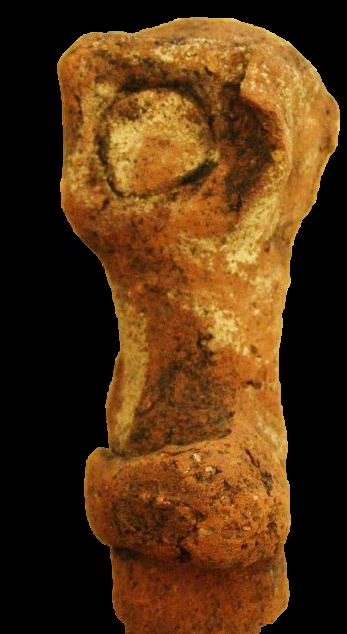
Middle Minoan II pottery provides the earliest clear evidence of organised cult activity in Gerontospilios.
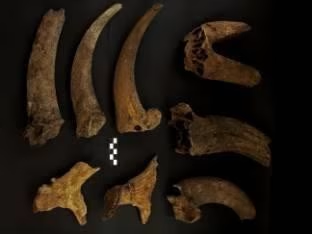
Pottery and votive objects indicate that cult activity intensified and acquired greater significance.
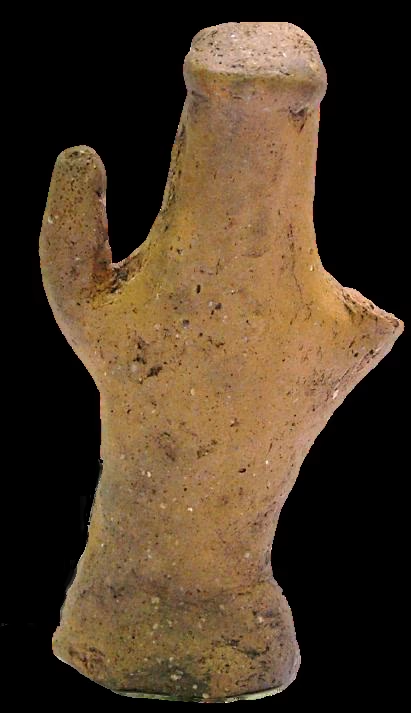
Female figurines, figures with raised hands and other votive types attest to the continued use of the cave.
Figurines with different forms and gestures reveal the continuation and development of cult practices.
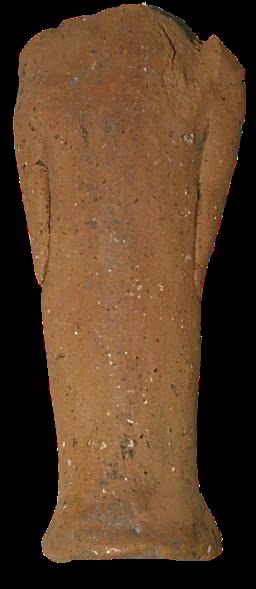
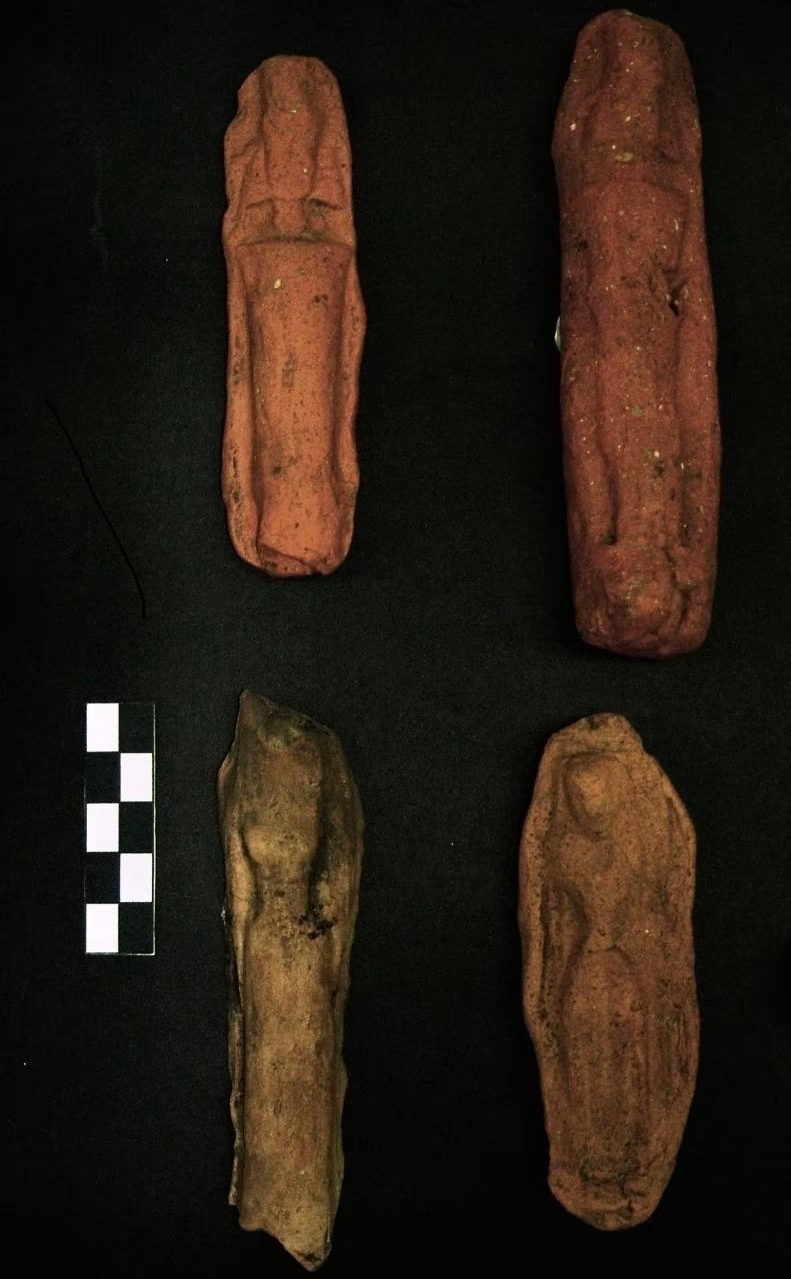
Characteristic plank-shaped figurines, some wearing a polos, are associated with the cult activity of this period.
Seated female figures and fragments of figurines confirm the long duration of worship in the cave.
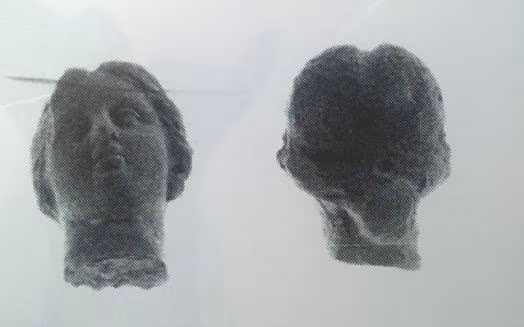
Finds such as the head of a figurine demonstrate that the cave retained its cult significance during Hellenistic times.
OFFERINGS • POTTERY • FIGURINES
The objects brought to light reveal the long duration of cult use at Gerontospilios and the changes that occurred through the centuries.
Middle Minoan II • c. 1900–1700 BC
Middle Minoan II pottery is associated with the beginning of the cave’s cult use.
Middle Minoan III – Late Minoan I • c. 1700–1450 BC
The increased presence of pottery and votive offerings indicates the intensification of cult activity.
Middle Minoan III – Late Minoan IA • c. 1700–1500 BC
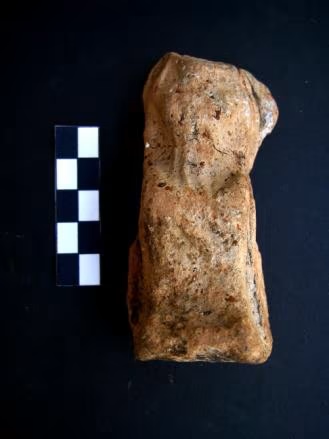
The figurine recalls Middle Minoan examples and is dated to Middle Minoan III – Late Minoan IA through similarities with figurines in the Metaxas Collection.
Subminoan period • c. 1100–1000 BC
A female figurine of the raised-hands type, with typological parallels from Agia Triada, Prinias and Syme Viannos.
Subminoan period • c. 1100–1000 BC
Figurines with arms held along the body or one arm extended in a gesture. Similar gestures appear in figurines from Athens, Delphi and Axos.
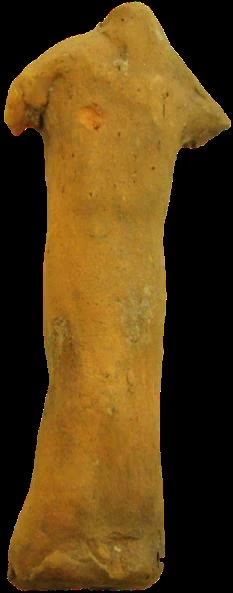
Middle Protogeometric period • c. 1000–950 BC
A possibly male standing figure wearing a long garment. The form of the torso resembles an example from Agia Triada.
680 – late 7th century BC
Plank-shaped figurines dating between 680 and the end of the 7th century BC. Some of them wear a polos.
Late 6th – late 4th century BC
A seated female figurine and fragments of figurines of the anakalypsis type, dating from the late 6th to the late 4th century BC.
Hellenistic period • 323–67 BC
The head of a clay figurine provides evidence for the continuation of cult activity during the Hellenistic period.
DEITIES • INSCRIPTIONS • HUMAN TRACES
The inscriptions and graffiti of Gerontospilios are more than simple marks on the rock. They record cult practices, personal names and different phases of the cave’s history.
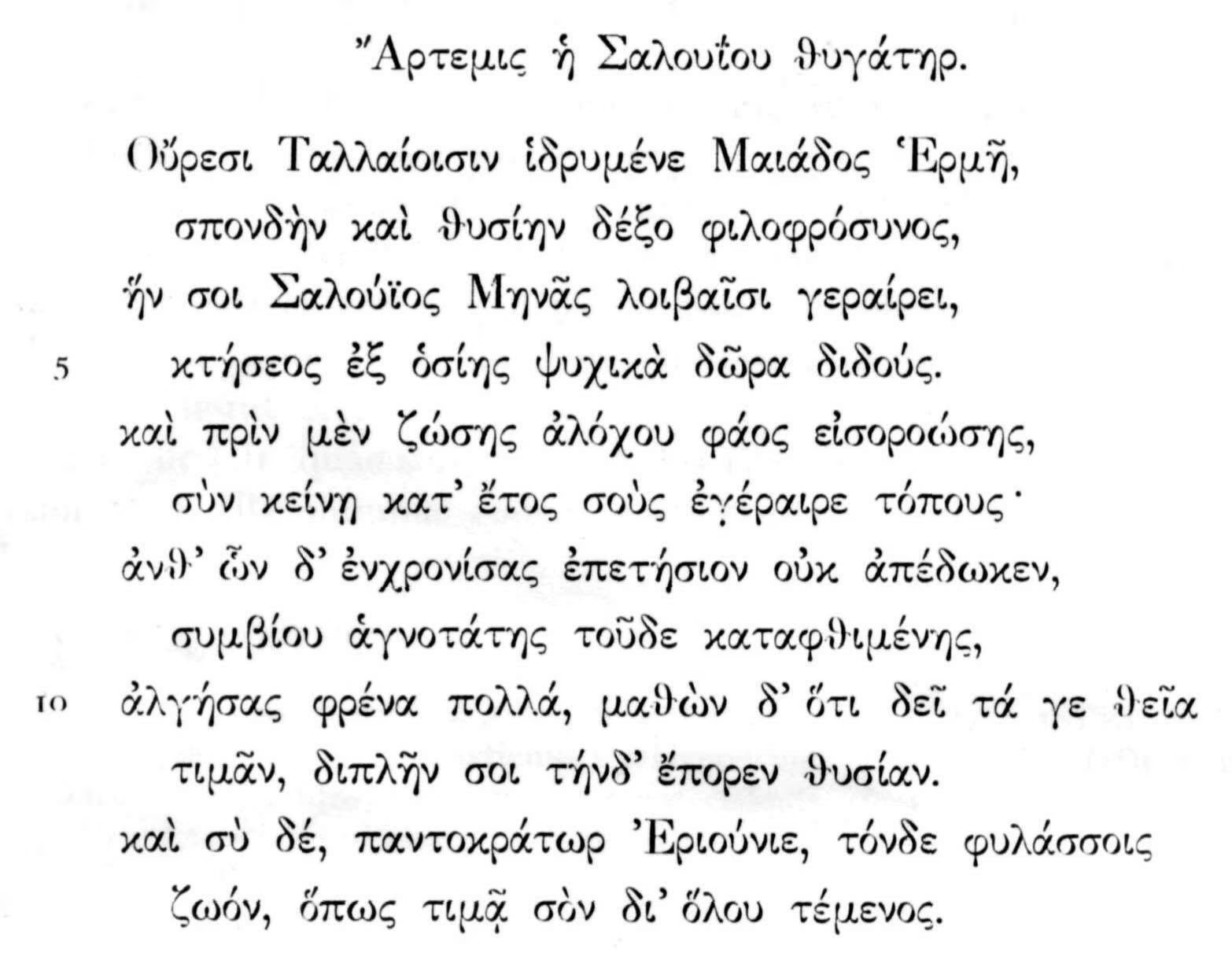
Ἄρτεμις ἡ Σαλουσίου θυγάτηρ
The epigraphic evidence connects the cave’s cult use with Hermes Eriounios. The epithet presents the god as a powerful protector and benefactor.
An inscription refers to Artemis as the daughter of Salousios, within a context of offerings, sacrifices and an invocation of divine protection.
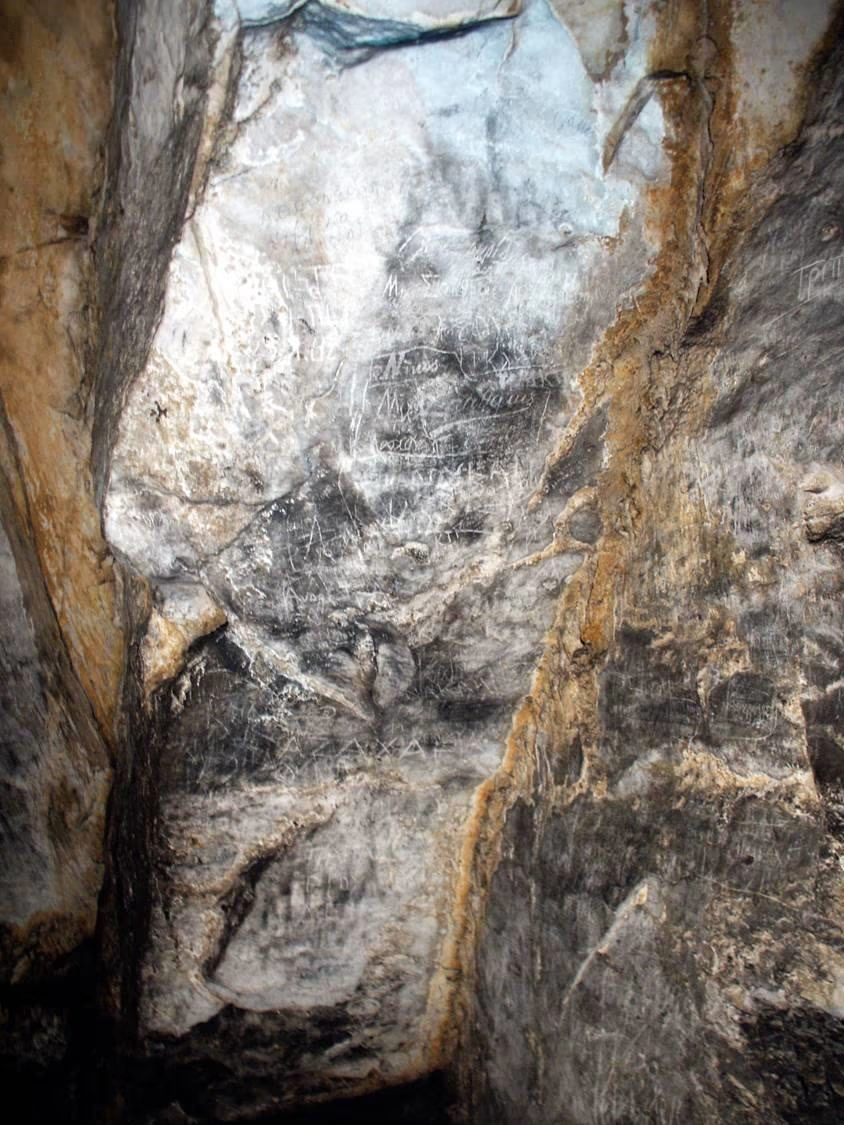
Names, symbols and short texts carved into the rock record human presence during different periods and form part of the cave’s historical journey.
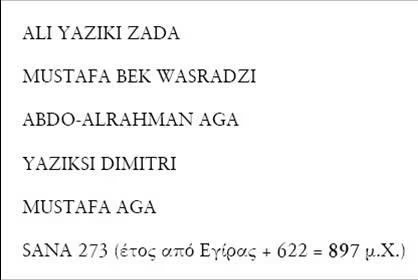
The graffiti include inscriptions from later periods, among them Ottoman records of personal names. They reflect the continuing presence of people in the cave.
The presentation is based on epigraphic and photographic material from the Ephorate of Antiquities of Rethymno.
1824 • SACRIFICE • COLLECTIVE MEMORY
Gerontospilios is not only a natural and archaeological monument. The tragedy of 1824 transformed it into one of Crete’s most important places of historical remembrance.
During the Greek War of Independence, local residents and fighters sought refuge in Gerontospilios. Ottoman forces blockaded the entrance and repeatedly attempted to force them to surrender.
In January 1824, combustible materials were gathered and set alight at the entrance. Smoke entered the cave, causing the death of those trapped inside.
The great central chamber became permanently associated with the sacrifice of those trapped inside and was named the Hall of the Heroes. Today, it is the principal place of remembrance within the cave.
The ossuary containing the remains of the victims stands inside the Hall of the Heroes. It is a monument of respect and collective memory.
A memorial service is held inside the cave in honour of the victims, preserving the connection between the historic site and the contemporary community.
A LIVING TRADITION
Memorial ceremonies and contemporary devotional practices in the wider region demonstrate that the community’s relationship with sacred places remains a living part of local identity.
THE LANGUAGE OF STONE
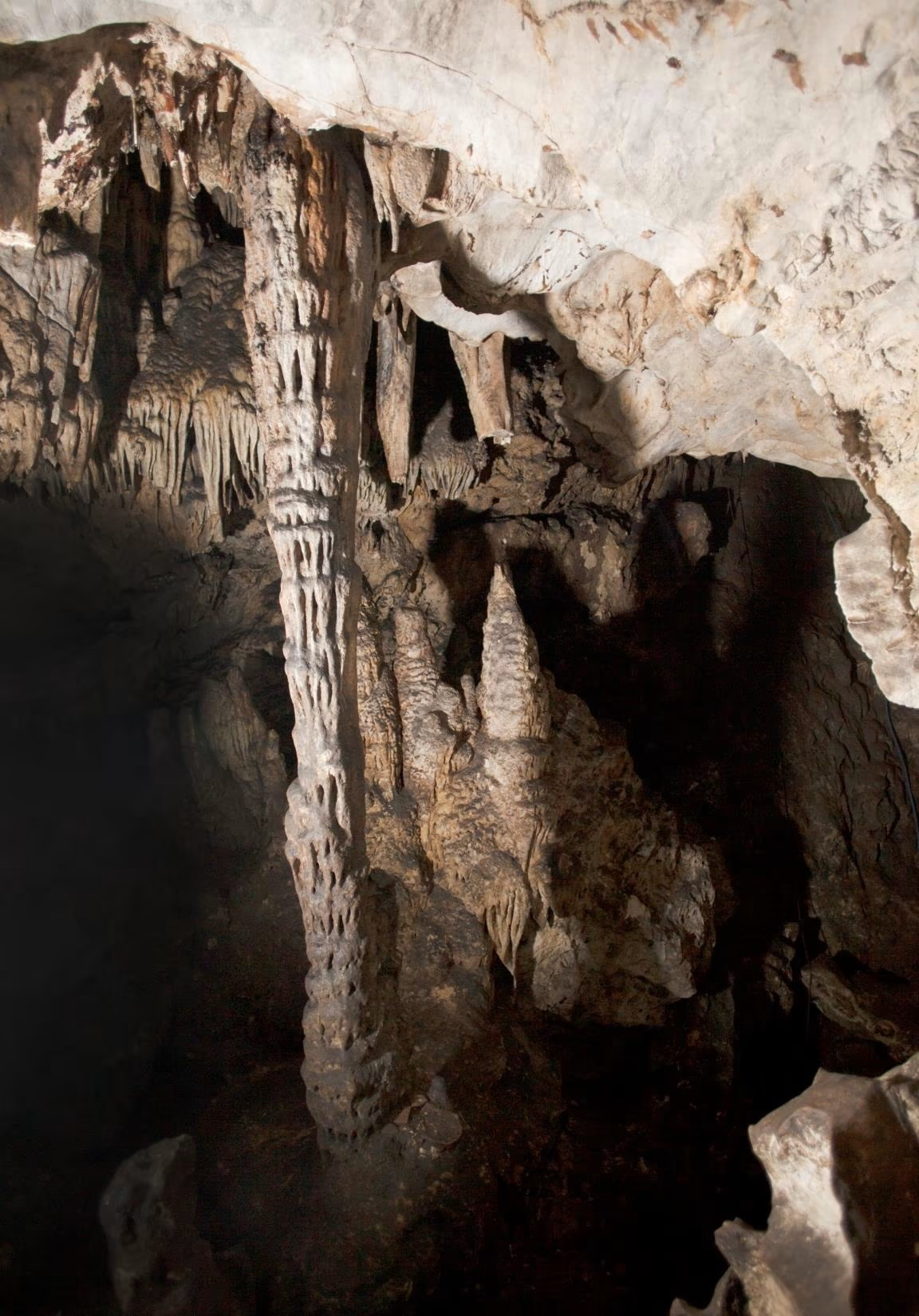
The cave develops within platy limestone. Water slowly moving through cracks in the rock created stalactites, stalagmites, columns and delicate stone curtains. These formations inspired the names of several chambers.
THE INNER SYSTEM
The established names reflect the form, history and speleological exploration of each section.
The first and largest chamber, containing the ossuary of the victims of 1824.
An elongated, steeply sloping chamber with rich mineral formations.
Named after its thin, curtain-like stalactite formations.
A section marked by massive rocks and narrower passages.
A deeper part of the cave system near the edge of the sinkhole.
One of the deeper named sections of the speleological route.
BEYOND THE VISITOR ROUTE
Beyond the Hall of the Heroes, passages lead to deeper halls and the Chamber of the Sinkhole. This 360° photographic tour lets visitors experience these difficult-to-access sections visually while protecting their sensitive environment.
SCIENTIFIC DOCUMENTATION
The presentation of Gerontospilios is based on archaeological, historical and geological material from qualified scientific and institutional sources.
PRIMARY ARCHAEOLOGICAL SOURCE
The cult use of Gerontospilios at Melidoni from the second millennium BC to the end of antiquity: continuities and discontinuities.
HISTORICAL TESTIMONY
Travels in Crete, 1837. Greek translation and editing by Daphne Gontika, Vikelaia Municipal Library, Heraklion 2000.
GEOLOGICAL HERITAGE
Institutional information about the geological heritage, geosites and natural environment of Psiloritis.
VISIT THE UNESCO PAGE